
Two plots of the same size in the same area can be very different purchases. The difference is usually site development: the work done on the land before any home is built. It decides how soon you can start construction, what it will cost you, and how the neighbourhood holds its value.
What site development covers
- Roads. Properly formed and surfaced internal roads, wide enough for two vehicles to pass and for construction trucks to reach your plot.
- Drainage. Storm-water drains that carry rain away from plots and roads, and a planned system for sewage.
- Water and power. Supply lines laid to each plot, so connecting your home is a short job, not a new project.
- Plot demarcation. Boundary stones or markers that match the approved layout plan, so there is no doubt about what you own.
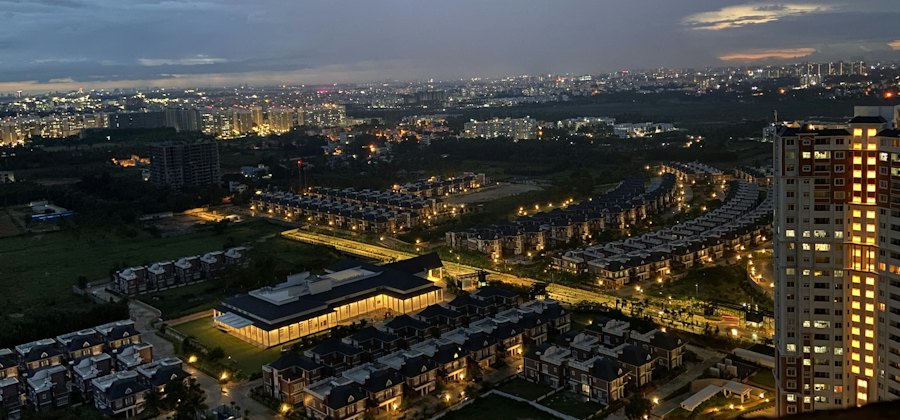
- Common spaces. Parks, tree-lined avenues and street lighting that make the layout pleasant to live in.
Why it matters to you
A fully developed layout lets you start building as soon as your plan is approved. Lenders are more comfortable financing homes there, and future buyers will pay more for a plot they can see is ready. In an undeveloped layout you carry the wait, and sometimes the cost, yourself.
What to look for on a site visit
Walk the internal roads to your plot instead of viewing it from the entrance. Look at the drains and ask where the water goes in heavy rain. Check that the boundary markers are in place and that the dimensions match your documents. Ask which utilities are live today and which are still planned, and get the answer in writing.
Good site development is easy to verify because it is all there to see. That is the best reason to visit before you decide.